We Create Content speaks to travel writer Joshua Zukas to discuss what people overseas misunderstand about Vietnam and the issues with the country’s tourism brand - words by Ian Paynton
Only 5% of Vietnam’s visitors come back for seconds.
That’s approximately 10% of the number of tourists that return to Thailand.
I’ve never fully understood it.
There’s something about Vietnam that’s always appealed to me as a place to explore again and again. It’s also a huge place; I spent five weeks here on my first trip and saw very little of what Vietnam has to offer.
I’ve always put Vietnam’s low visitor return rate down to what happens on the front line of tourism. Things get mis-sold and plans change. Prices are opaque. And as with most tourist hotspots, everyone wants a piece of your purse. It can be draining if you’re touring Vietnam for more than a few days.
But travel writer Joshua Zukas thinks there’s more to it.
“People have expectations of what Vietnam is going to be like, and then they come and Vietnam doesn't match those expectations,” he says in an episode of the You Don’t Know Vietnam podcast.
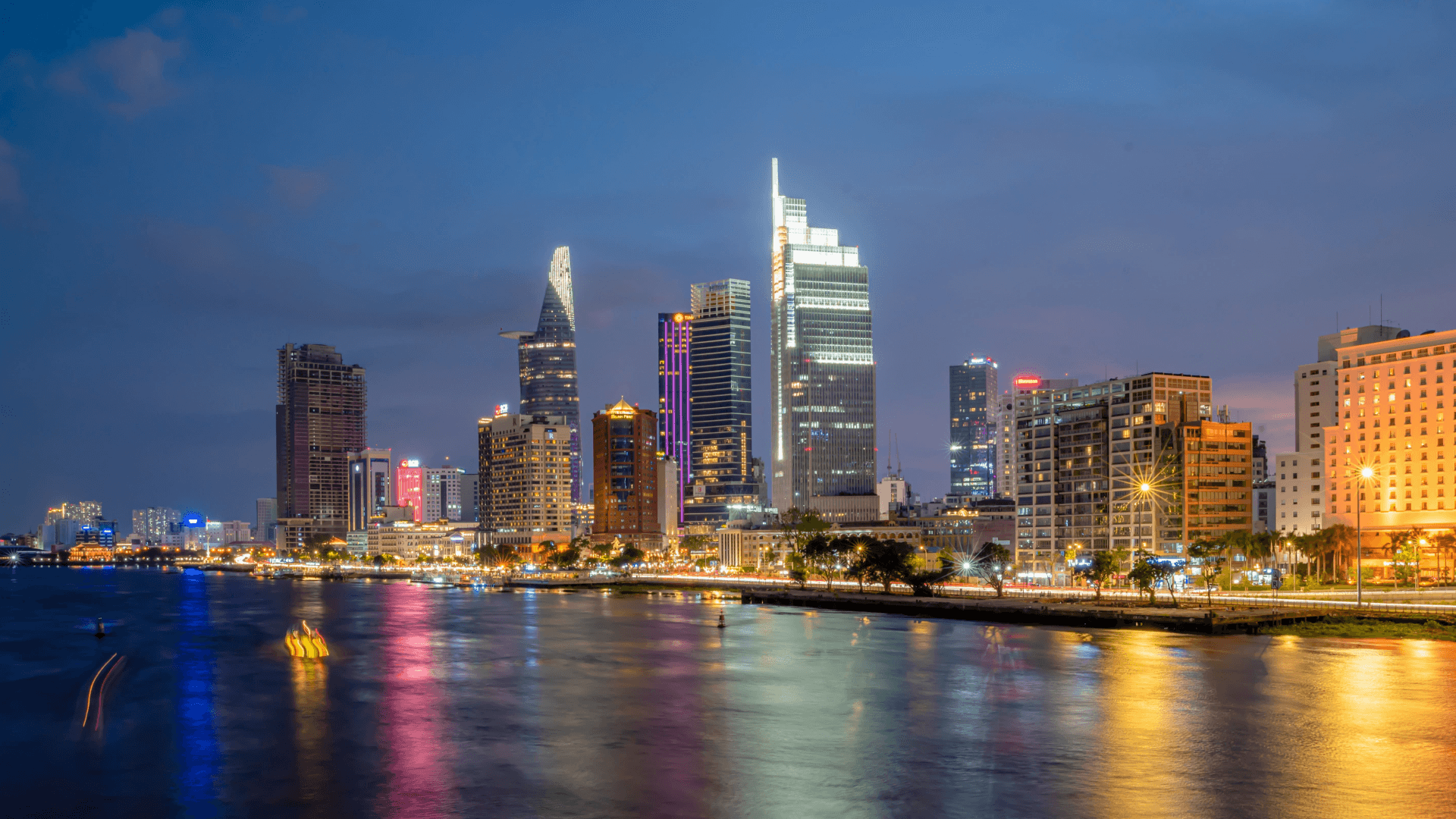
“The war plays a big part. But there's also the agrarian, picturesque landscapes that you imagine; rice terraces, buffalo and farmers in conical hats. When I came to Vietnam, my first impression was Ho Chi Minh City, which is not that. Even 15 years ago it was an electric kind of city, and the dynamism was palpable.
“I think that there is a kind of Orientalist fantasy surrounding Vietnam, especially when it comes to travel and tourism… and this idealised image of what the country is doesn't match the reality,” says Josh, who has recently completed the Hanoi, northern Vietnam and Central Highlands chapters of Lonely Planet Vietnam’s 16th edition, out later this year.
Orientalism is a term put forward by Edward Said in the 1970s, which describes how the west has portrayed and depicted the east throughout history.
“It ultimately leads to a kind of misalignment between the western portrayal of the east and the reality of the east,” adds Josh. “It also leads to a kind of exoticisation or sometimes feminisation and even fetishisation of eastern countries.
“It’s actually quite problematic for Vietnam’s tourism brand when the product is being communicated in a certain way to consumers; consumers buy into that and what is delivered doesn't match what’s communicated.”
Josh explores this misalignment in his Travel Fish long read “Vietnam beyond the stereotypes,” arguing that we should discover ‘the history that forged Vietnam as well as the geography that defines it’ while being ‘mindful of perpetuated fallacies and remain open to Vietnam’s dynamic energy and modern aspirations’.
He argues that from sustainable travel and architecture, to a thriving cocktail and dining scene in Vietnam’s dynamic cities, there is so much more on offer than the tired cliches.

Vietnam shouldn’t shy away from fronting its urban areas when promoting its tourism assets
Joshua Zukas
Vietnam Travel Writer
What are Vietnam's cities like?
Almost 40% of Vietnam’s 100,000,000 population lives in cities. Government plans aim to make this 70-75 percent by 2050 by making five of Vietnam’s urban powerhouses ‘international’ in standard.
“Vietnam’s cities are fantastic places,” says Josh. “To me [people who really love Vietnam] don't talk about Ha Long Bay or the rice paddy fields, or even the mountains. They talk about the energy. And they talk about the people… They talk about things like the traffic or the coffee culture. And those kinds of things are actually found in the cities. Vietnam shouldn’t shy away from fronting its urban areas when promoting its tourism assets.”
In Josh’s opinion, Vietnam could learn from countries such as Japan or South Korea. They embrace their modern development while preserving their history and heritage. They present a balance of modernity and traditional images in their tourism messages, which Josh says Vietnam’s tourism board could learn from this. .
“When Orientalism has been so pervasive over the decades and centuries, even people in eastern countries have started to Orientalise themselves… and we can see this quite clearly in the tourism industry here.
“The tourism tagline of Vietnam is Vietnam - timeless charm, which expresses a very Orientalist kind of sentiment. For all the good that the Vietnam.travel website has done over the years, it still seems to often fall into this trap of portraying a very idealised Vietnam.”
Vietnam is looking to welcome 8,000,000 tourists in 2023. That’s 10,000,000 less than the record number of visitors to Vietnam before the pandemic in 2019.

Travel writer Joshua Zukas