While Vietnamese coffee often captures the global spotlight, tea remains the quiet, enduring heartbeat of the country.
Far more than a simple beverage, Vietnamese tea culture is a reflection of heritage, community, and the gentle art of pausing in a fast-paced world.
About Vietnamese tea culture
Vietnam is one of the world’s major tea-producing and tea-exporting countries, thanks to its favourable climate and long history of tea cultivation.
Tea is deeply rooted in Vietnamese culture, hospitality and everyday life.
Although its history is less documented than that of China or Japan, Vietnam is one of the oldest tea-growing regions.
References to tea can be found in Vietnamese poetry and scholarly writings dating back to the 13th century, long before the French colonisation. [1].
Tea consumption was already an integral part of the culture, embodying philosophical values and spiritual purity closely tied to Buddhism.
And unlike more formal aristocratic tea traditions, tea in Vietnam has always been accessible to all levels of society and wealth. It’s difficult not to find a tea stall on any sidewalk.
Tea in everyday life
Tea isn't just a drink in Vietnam, it's a constant part of life.
Almost every Vietnamese household has a tea set, and there’s rarely ever a wrong time to pour a cup.

Tea was basically the lubricant of life in Vietnam.”
David Stout
Journalist
Tea connects everyday routines with some of life's biggest moments.
From weddings and funerals to casual catch-ups and business meetings, tea usually plays a central role. It can be enjoyed as a traditional remedy, shared with friends, or simply offered as an easy way to start conversations.
Journalist David Stout adds, “It was tied into the landscape, your social life, your family life, and everybody had some kind of relationship with it. Everybody had some kind of story linked to it.”
Whether it's a quick break or a big celebration, tea brings hosts and guests together in a warm, real connection.
The simplicity of Vietnamese tea
Unlike the extravagant and formal ceremonies associated with China and Japan, Vietnamese tea culture is refreshingly informal.
Yet, this informality does not imply a lack of sophistication. Rather, it is characterised by a deep, understated elegance.
Most Vietnamese tea drinkers prefer the simple, pure taste of plain tea or fresh leaves, believing it to symbolise purity and beauty.
A truly satisfying cup of tea is measured by an ancient, time-honoured standard [2]:
• “Nhất Nước” (First, water)
• “Nhì Trà” (Second, tea)
• “Tam Pha” (Third, making)
• “Tứ Ấm” (Fourth, pot)
• “Ngũ Trạch” (Fifth, place)
• “Lục Nhạc” (Sixth, sound)
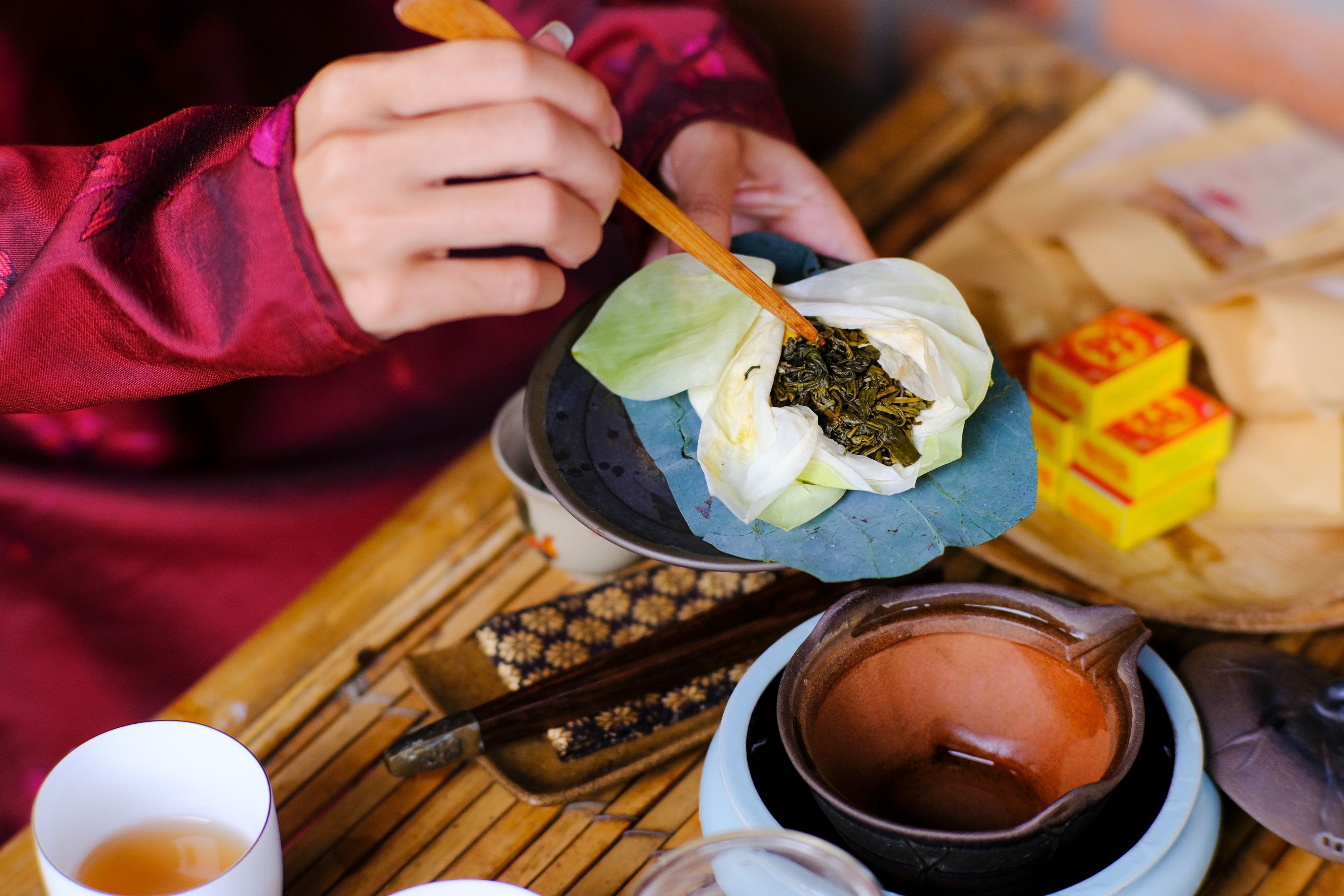
One step of brewing tea
The art of Vietnamese tea is about more than just consumption.
It lies in the careful preparation, the warmth of the invitation, and the shared pleasure of the experience.
This relaxed and intimate approach is what makes Vietnamese tea an enduring part of everyday life.
Tea culture vs coffee culture
The distinction between coffee and tea culture in Vietnam comes down to how they fit into everyday life.
Today, coffee culture has grown hand-in-hand with the country's rapid economic development and urban expansion.
The rise of trendy modern cafes and the popularity of "cafe hopping" among younger generations reflects the pace of urban life, where coffee fuels work, socialising, and the vibrant rhythm of the day.
In ways that coffee wasn’t, tea was more a part of everybody’s life.”
David Stout
Journalist
Tea, by contrast, serves as an enduring counter narrative to this fast-paced modernisation.
Deeply rooted in the domestic sphere and quiet social spaces, tea remains closely connected to family life and traditions passed down through generations.
It offers a reason to slow down, sit together, and make time for conversation.
Types of Vietnamese tea
Vietnamese tea falls primarily into three categories, each serving a distinct role in daily life and traditional practice [3]:
• Plain dried tea leaves: A daily staple of households and workplaces, cherished for its straightforward, earthy flavor and comforting simplicity.
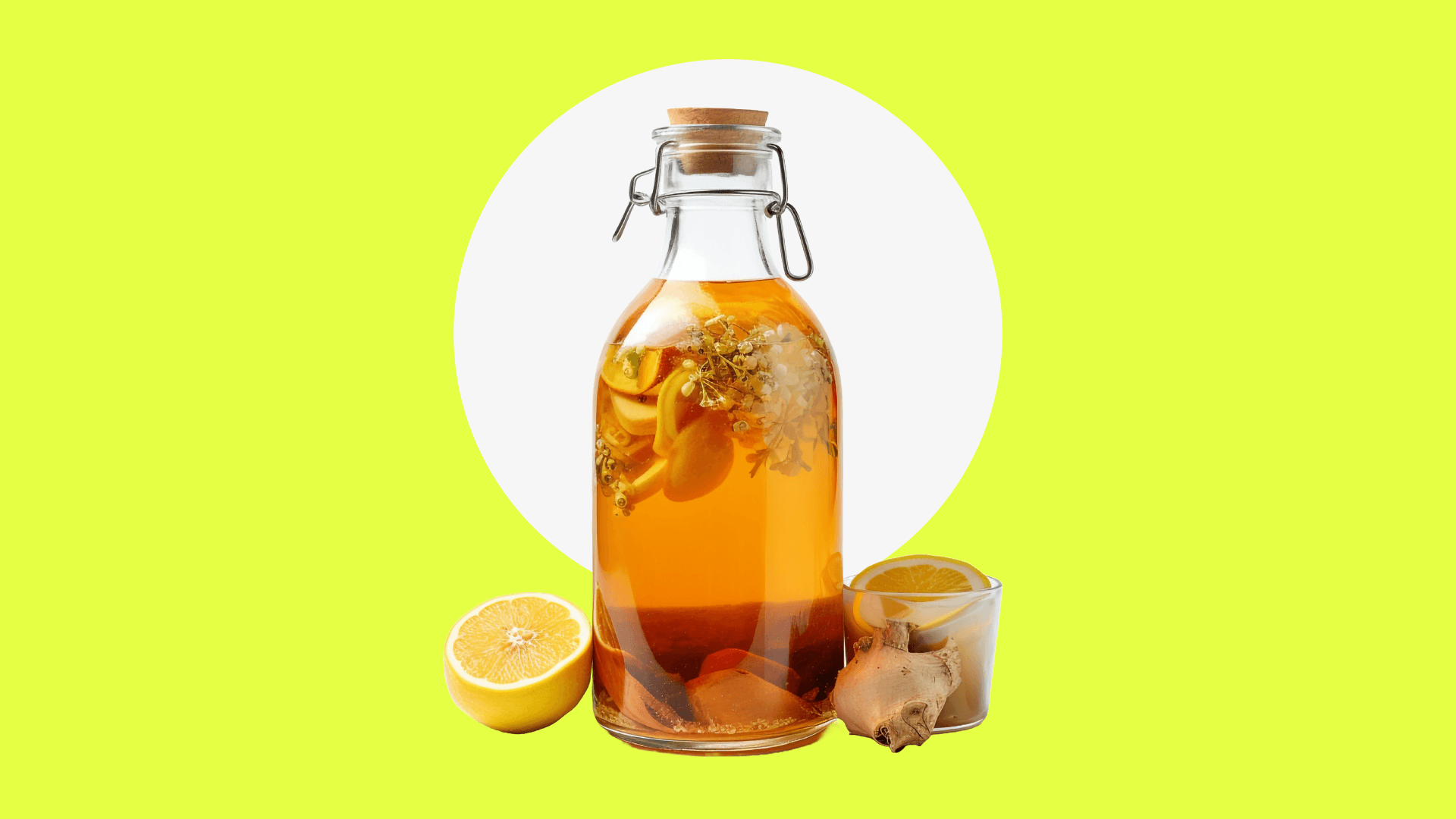
• Fresh herbal teas: Made by steeping roots, herbs, or blossoms, these brews are prized for their natural wellness benefits and delicate, soothing aromas.
• Floral-scented teas: Made by infusing processed tea leaves with fresh flowers, these teas require a more labour-intensive process. Lotus and jasmine varieties stand out as the most popular varieties.
Regional contrasts further highlight the adaptability of Vietnamese tea culture.
In the cooler North, tea is often associated with quiet gatherings centred around hot green tea served in small porcelain cups.
In the tropical South, “trà đá” (iced tea) is a familiar sight, served in tall glasses at roadside stalls and cafes. Casual and refreshing, it is as much a part of socialising as it is a way to escape the heat.
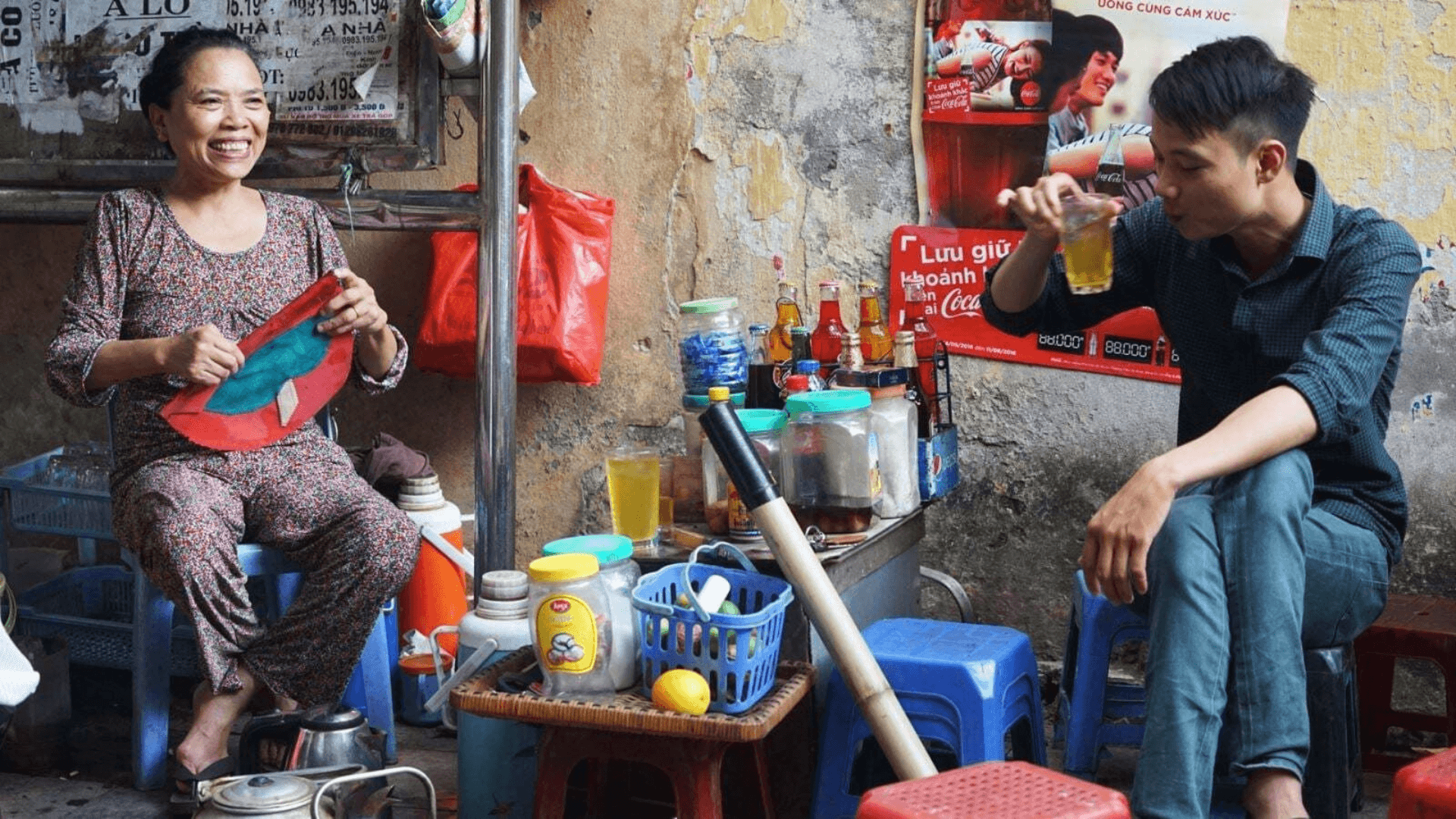
A glass of trà đá and a chance to catch up
How Vietnamese tea culture is changing
As urban life quickens, pre-packaged bagged and bottled teas have surged in popularity, offering a convenient alternative to traditional tea preparation.
Yet, older generations and rural communities continue to anchor the culture, preserving tea as a slow, heart-centered ritual of shared connection [4].
Meanwhile, global tea trends, from Chinese scented teas and Japanese matcha to Taiwanese milk tea, have become increasingly popular, giving younger generations new ways to enjoy and socialise around tea.
But even as the way Vietnamese people drink tea changes, its role in bringing people together remains.

Sources:
[1] Viet Beans: Tea cultivation in Vietnam – traditional tea culture in modern times
[2] Vietnam Tourism: A potted history of Vietnamese tea
[3] Vietnam Plus: A deep dive into Vietnam’s exquisite scented tea market
[4] Digital Collections: The Deep Roots of Vietnamese Tea: Culture, Production and Prospects for Development