Localising F&B products in Vietnam takes an understanding of the ‘why’ behind local tastes and consumption behaviours with a sprinkling of innovation, says F&B consultant Jovel Chan.
In Vietnam’s bustling world of food and beverage (F&B) business, successful localisation requires adapting menus to local tastes. But according to F&B marketer turned founder, blogger and consultant, Jovel Chan, understanding the intricate nuances of consumer behaviours and preferences is the key.
The trailblazing entrepreneur sheds light on the importance of localisation and relationship building in Vietnam's dynamic market, offering valuable insights gained from personal experience in this episode of You Don’t Know Vietnam.
“Localisation is very important,” says Jovel. “And I don't mean that localisation in a very traditional sense.
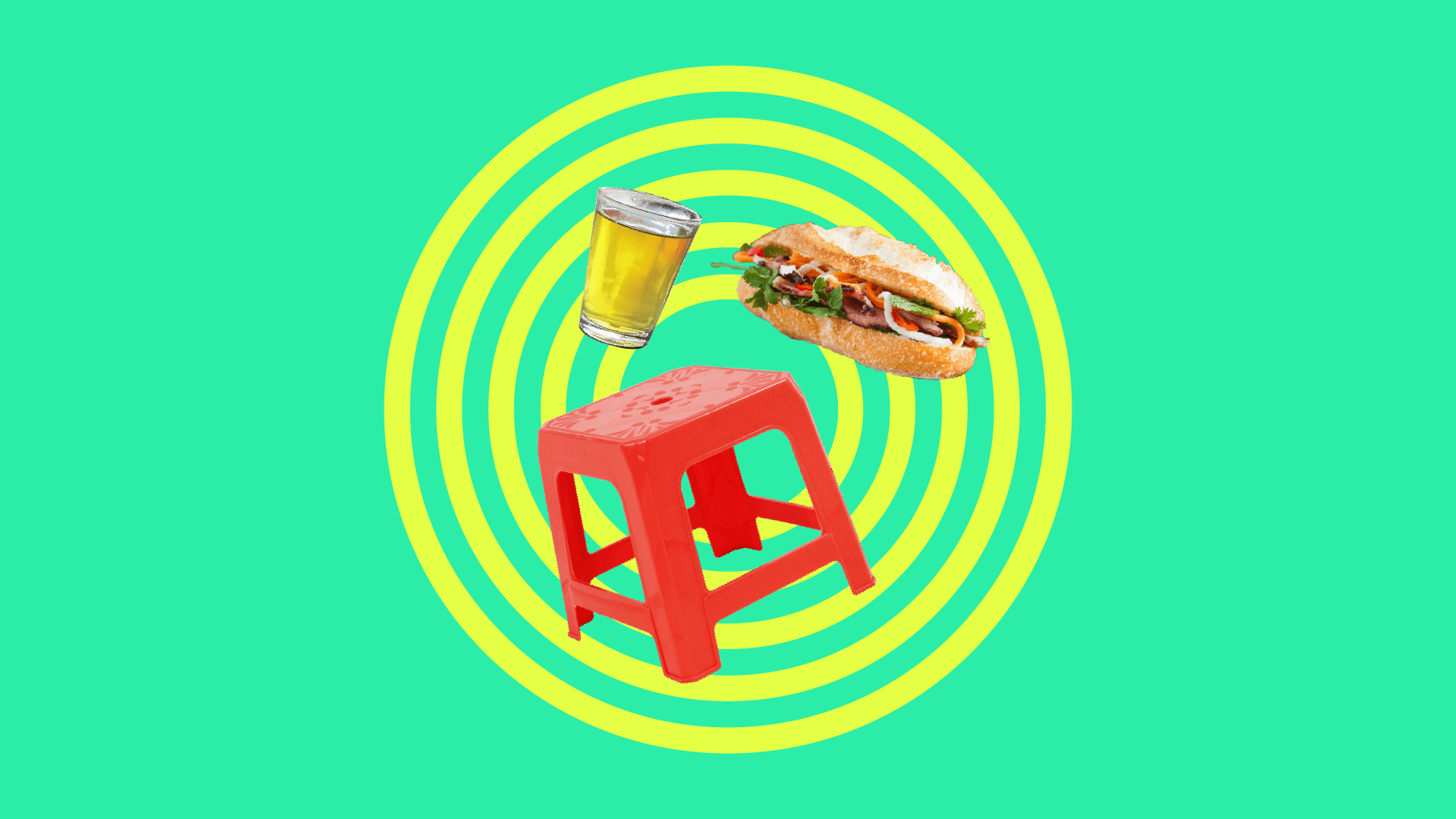
“I had gone to an invite-only conference for an overseas pizza chain that came [to Vietnam]. And the guy said that ‘all across Vietnam, people drink tra da (iced tea) and sit on small little chairs, so when we enter the market, we're going to make sure that we serve iced tea as well’.
“That to me is not a good localisation strategy,” says Jovel, emphasising that effective localisation transcends the superficial adaptation of popular local elements.

I don’t think that’s the most clever way to localise a product.
Jovel Chan
F&B founder, blogger and consultant
“Why is it that people enjoy drinking tra da? Because it's really hot, because it's something light. People like light flavours here… It's the same reason why iced fruity teas sell really well…
“Understanding more of the ‘why’ people eat or drink in a certain way, and factoring that into the localisation, product development and marketing strategy is more important.”
Jovel challenges businesses to move beyond replicating popular dishes and focus on creating exciting, culturally resonant offerings. She underscores the importance of innovation rooted in consumer insights rather than blindly following trends.
“People look at popular foods and take that as a default of what will work, not realising that some of the coolest trends in Vietnam are not like that at all.
“This salted lemon fizzy drink that trended on TikTok… that's not really very Vietnamese… It’s about an element of entertainment, the element of uniqueness, and the element of something different yet familiar and refreshing.
“One of my least favourite things is looking at banh mi pizza… I don't think that's the most clever way to localise a product.”

Tips for entering Vietnam’s F&B sector
Aside from smart localisation, success for F&B brands in Vietnam also hinges on developing personal, genuine connections and demonstrating a commitment to the local market.
“Vietnam F&B marketing requires you to be on the ground,” says Jovel. “There are many things that you can only know through seeing and talking to people. And the best connections are the ones that you're really going to build on the ground. Vietnam in general is a very relationship kind of country.”
Jovel also emphasises the need for patience and humility, particularly for foreign entrants, in navigating Vietnam's business landscape.
“You have to earn the trust and love of Vietnam… and it takes time,” she says.
Achieving sustainable success in one of Asia's most dynamic F&B markets is possible. But it takes a deep understanding of local behaviours, preferences and trends, as well the ability to adapt to Vietnam’s way of doing business.
For those brands willing to embark on this odyssey, the rewards are boundless.