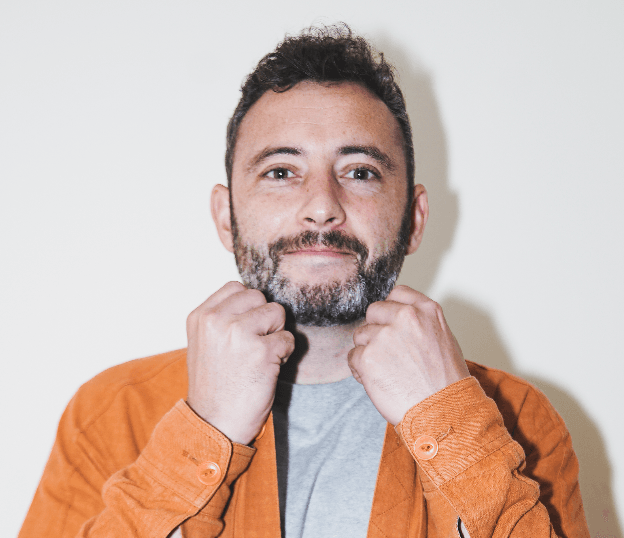
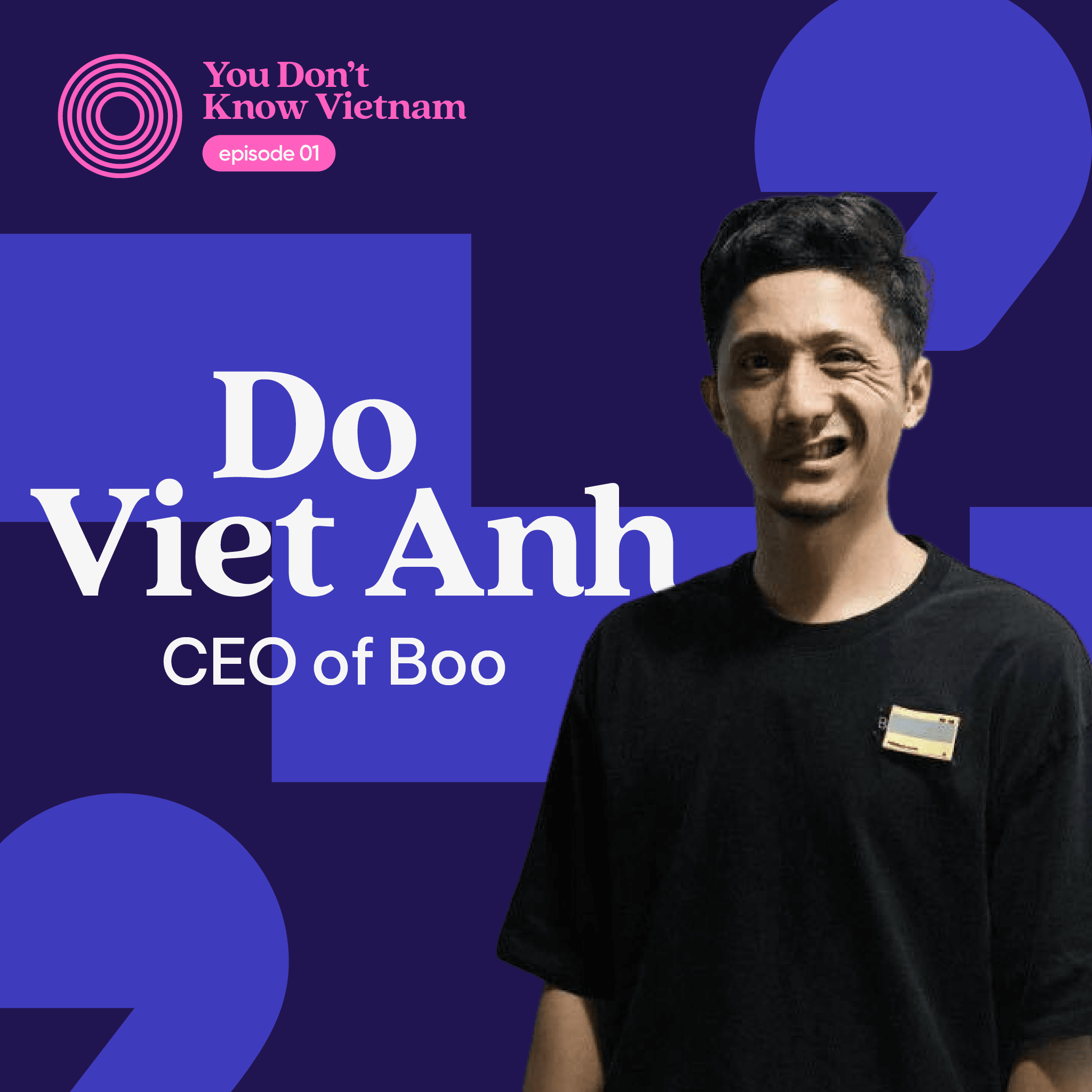
Do Viet Anh is the CEO of 20-year-old Vietnamese fashion company BOO. In a conversation with We Create Content founder Ian Paynton, he talks about his company’s struggle to stay relevant to Gen Z audiences in Vietnam, the pressures facing young people today, and some of the trends making the domestic fashion scene in Vietnam tick.
Viet Anh’s attitude, creativity, vision, and openness and business is truly amazing. It's something that's helped him grow BOO from a small skateboarding shop in Hanoi to a multi-million dollar household fashion brand in Vietnam.
The company's most recent product line BOO LAAB is one of the most successful yet. It's a pioneering and experimental streetwear brand that's helped BOO regain traction in a quickly shifting Vietnamese market.
You've been doing business in Vietnam with BOO for 20 years. You must have seen Vietnam change quite a lot over that time. What is it that you're most excited about Vietnam right now?
20 years is a huge milestone for us. The biggest change I'm witnessing is in the young people. They’ve got much more information around them from like the effect of globalization in the past decade.
The youth now in Vietnam are very ready for the next big step in terms of introducing Vietnam to the world. I can see a lot of big talents around, which we couldn’t see 10 or 15 years ago. There’s a lot of people with the talent and opportunity to make bigger things.
What’s the biggest difference you see between millennials and Gen Z in Vietnam and how does that shape the way you do business?
Gen Z dare to do things in a much bigger and more ambitious way, in a more ambitious way than the generations before. For example, with BOO, we started 20 years ago with ambition but we didn't know where it could lead to. But I think now the youngsters know exactly what they are doing and how they are heading into the future.
You started BOO as a skateboarding shop with 20 square meter plot? How does that compare to what is it now?
It's been a long journey. 20 years is like a generation already. We started with just me, my brother, and our art director, Hieu. So just a small group of people with a passion. And now, after Covid, we have 30 stores across the nation and 250 staff. It’s quite a big change.
Read more: What Vietnam’s Millennials and Gen Z want from brands
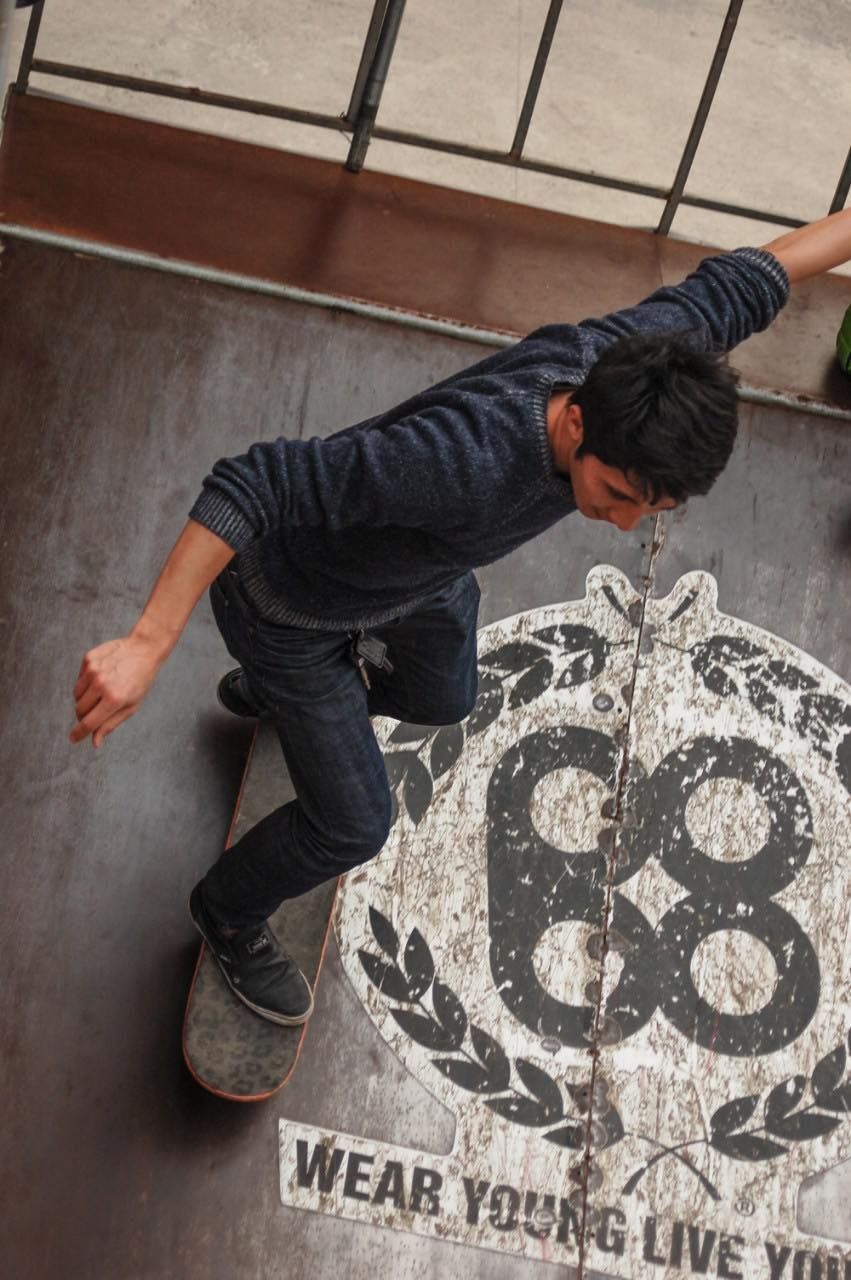
Viet Anh getting back in touch with his roots
You started with importing clothes, and then designing graphic t-shirts, which were really smart, funny and cool. Then you brought Adidas Neo to Vietnam and later started experimenting with BOO LAAB. Is it BOO LAAB that’s helped you really reconnect with the Gen Z market?
Yes, exactly. We needed to do something new. Something big, like we did with our graphic tees in 2009. We needed to bring a start up mindset and start up spirit back into BOO. Otherwise we knew we couldn’t survive the next decade.
That’s how BOO LAAB was born. And we were quite strategic. We did it in the right way.
The whole team had a Gen Z mindset, from the designers, to fashion directors and the content creators.
We collaborated with existing communities and gained traction quickly in streetwear groups. Then we put our expertise and more than 10 years of experience into the quality of the BOO LAAB product. We cared about every small detail. When the product went out, it was like we were setting a new standard for local brands.
Now BOO LAAB is gathering real recognition. With results too. It has the biggest share of business in BOO. We have three direct to consumer brands and BOO LAAB accounts for about 38 to 40 percent.
Nothing has happened overnight. It took time. We failed a lot but took notice of the recipes in our small wins. Along the way we’ve recruited more Gen Z staff to refresh the blood of the organization. We’ve had to be patient and resilient. We had to come back with the young spirit in marketing, product development and everything we do with BOO LAAB.
What trends are you seeing now as we go into 2023 in Vietnam’s fashion industry?
A lot of young people are beginning to believe more in local brands. The products of the new generation. I’ve got to know a few founders — they are so young and they're so talented.
The second trend I’m noticing is that young people start to care more about what’s behind the products. What’s the story behind the product and the processes of making it. They even care about the origin of the cotton. I think that’s good for the industry. It’s good for people who are doing it in an honest and for people focused on quality.
The last trend I’m noticing is that people start to care much more about environmental issues. Second-hand thrift shops are getting bigger. I think that's good for the environment and it makes the scene more interesting, with the mix of old and gold and new and creative things. The vintage trend will be around for the next few years at least.
There seems to be more of a focus on mental health in Vietnam now. How are you part of the conversation?
We believe that business is not just about creating profit but also about how to contribute back to society. We've been working on environmental issues for the past 15 or 16 years already. And now mental health is a big issue, especially for the younger generation. So that's why we wanted to do something more social-oriented and something connected directly to the human with our campaign called “Tomorrow” - which promoted a mental health hotline in our stores for young people who are struggling with mental health issues.
What do you think the pressures are facing the young people in Vietnam today?
Social media affects a lot of youngsters because they are growing up in this environment. Too much information can be harmful if they’re not ready to filter it. There’s a lot of peer pressure. The new dynamic of the working environment. There’s a lot of work stress, right? And over time at work, and not enough sleep. It can all contribute to mental health issues.
I think there’s always been people facing these issues but it wasn’t talked about enough. Same with the environment 15 years ago. We think it’s really meaningful to start talking about issues when not many people are talking about them. Then we can help and have an impact.
Read more: Marketing by Vietnamese fashion brands (with examples)
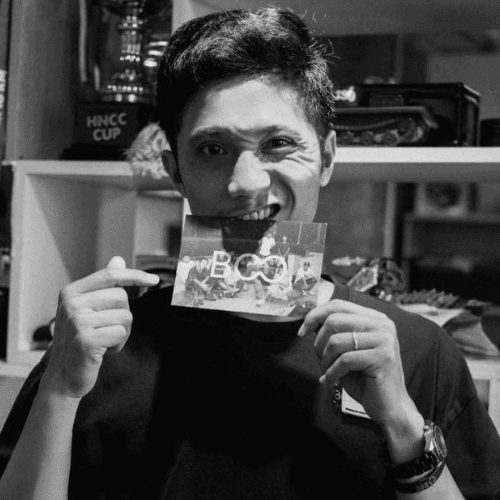
Gen Z care much more about intangible issues
Do Viet Anh
CEO of Boo
What would you say are your biggest failures, and your biggest challenge in this very dynamic and changing market?
I’m not really the sort of person to look back too much. I always try to think forward and take action to fix the problems or to get ready for the future. But if I could name one big failure was that we didn’t catch the Gen Z transition very well. But also it’s been such an amazing journey, we’ve failed and learned, so I don’t feel any regret.
For the challenge, after two Covid years, it’s been really tough. We faced bankruptcy at some stage. It was hard but we survived. I'm always confident now because we are so resilient.
But now we’ve survived, we need to reach up and get ready for the next growth target. Because I don’t see it as meaningful to keep BOO as an SME. I want BOO to be a big corporation that can contribute more to the map of meaningful Vietnamese brands. That was always my dream.
So in the next five years, we need to become a real player, not just in the fashion industry, but generally as a lifestyle brand for young people.
If we do that well, then we really want to start making our mark in Southeast Asia. And then represent Asia as a creative brand that has Vietnamese DNA.
In terms of commercial numbers, I think we need to at least triple our revenue.
What would you say are your biggest failures, and your biggest challenge in this very dynamic and changing market?
I’m not really the sort of person to look back too much. I always try to think forward and take action to fix the problems or to get ready for the future. But if I could name one big failure was that we didn’t catch the Gen Z transition very well. But also it’s been such an amazing journey, we’ve failed and learned, so I don’t feel any regret.
For the challenge, after two Covid years, it’s been really tough. We faced bankruptcy at some stage. It was hard but we survived. I'm always confident now because we are so resilient.
But now we’ve survived, we need to reach up and get ready for the next growth target. Because I don’t see it as meaningful to keep BOO as an SME. I want BOO to be a big corporation that can contribute more to the map of meaningful Vietnamese brands. That was always my dream.
So in the next five years, we need to become a real player, not just in the fashion industry, but generally as a lifestyle brand for young people.
If we do that well, then we really want to start making our mark in Southeast Asia. And then represent Asia as a creative brand that has Vietnamese DNA.
In terms of commercial numbers, I think we need to at least triple our revenue.