As modern motherhood in Vietnam evolves, brands need to keep up with the changing landscape.
Today’s Vietnamese mums are balancing tradition with modern expectations, and they hold significant influence over family purchases.
In a conversation with You Don’t Know Vietnam, mum-fluencer Diep Hoang shares key insights into what matters most to these mothers, the challenges they face, and how brands can connect with them through authenticity, understanding their needs, and building trust.
Key takeaways:
- What challenges mothers encounter while raising children in modern-day Vietnam
- The changes in Vietnamese family dynamics
- Tips on how brands can appeal to Vietnamese mothers, their spending habits, and what they look for in a brand when purchasing for their children
Diep Hoang takes pride in two things: being a mother and being a content creator and influencer that puts authenticity first.
Diep started her YouTube channel as a beauty blogger a decade ago.
But after having her first child, her priorities changed.
Instead of focusing solely on beauty content, she realised the importance of motherhood and began focusing more on family and well-being.
That’s when she shifted her content towards helping young mums navigate the confusing world of formula and nappies.
Pressures of modern motherhood
Modern Vietnamese mothers face a unique set of pressures.
Stepping away from Vietnam's traditional way of raising children, mothers are expected to raise their children better and smarter.
Diep shares that Vietnamese mothers often face three challenges:
- Pressures to be a perfect mother, coupled with burnout from the physical and emotional demands of parenthood
- The decline of traditional support systems, such as extended family living arrangements, leads to feelings of isolation
- Additionally, there’s confusion from contradictory information overload from older generations and online resources.
Modern mums rely heavily on online resources.
Whenever they encounter a problem, they look it up online first.
“I think whenever we have a problem, our first instinct is to go and look it up on the internet,” says Diep. “I used to use Google, but now Gen Z uses search engines like TikTok.”
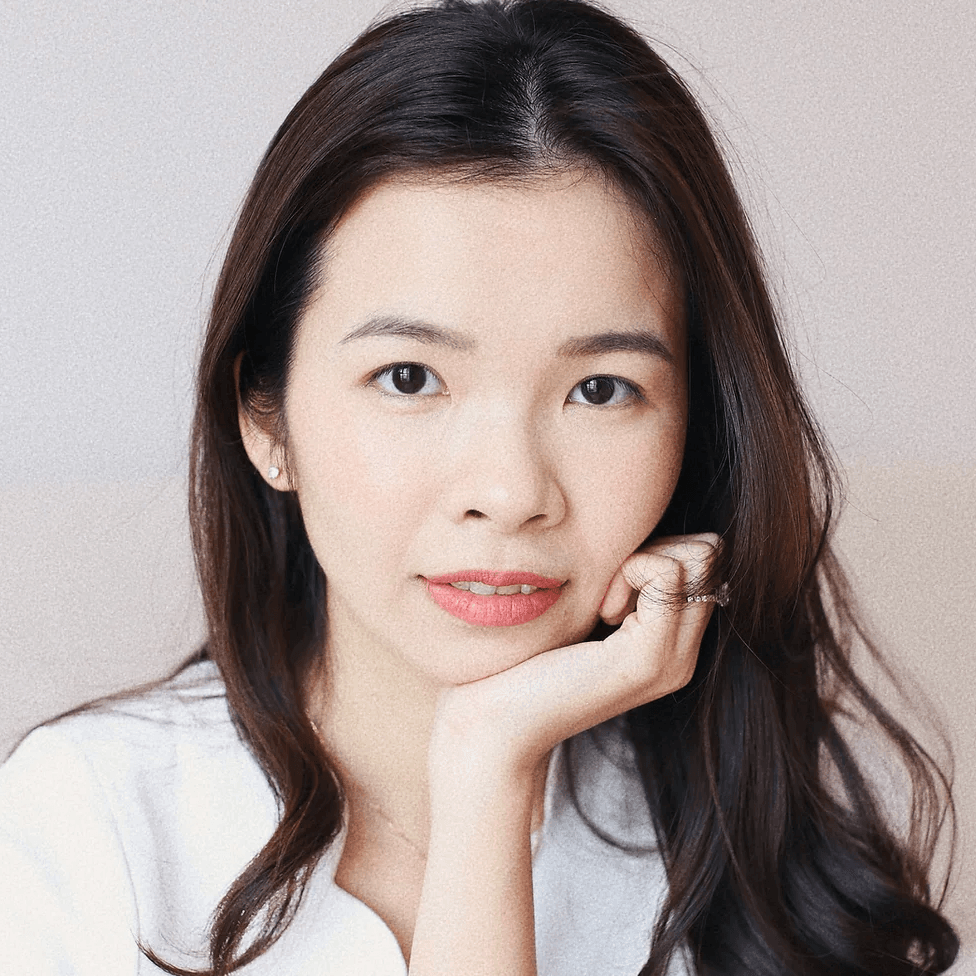
I think whenever we have a problem, our first instinct is to go and look it up on the internet. I used to use Google, but now Gen Z uses search engines like TikTok.
Diep Hoang
Mum-fluencer
When it comes to seeking advice about raising children, the internet now has more initial influence than family members and medical practitioners in Vietnam.
According to Asia Circles on LinkedIn, a poll of Vietnamese mothers suggests that Facebook ranks as the most common source of information for beauty and health care (69%), pregnancy and birth (52%) and childcare (52%).
Vietnamese women as decision-makers
Despite the long history of patriarchy, the dynamics of Vietnamese families are changing, with a shift towards more shared responsibilities and open communication.
Women are increasingly involved in decision-making, while men are taking on more household chores and childcare responsibilities.
“I always tell my husband that we [women] are the head of our family firm. We definitely take pride in that. And it’s for the better because we understand the children more. We know what is good for them.”
With changing family dynamics, Vietnamese women now often manage the family finances and make purchasing decisions.
I always tell my husband that we [women] are the head of our family firm. We definitely take pride in that. And it’s for the better because we understand the children more. We know what is good for them.
Diep Hoang
Mum-fluencer
What women look for when buying for their family
When asked what mums consider when purchasing household products, Diep shares that compared to what they buy for themselves, women have different values and expectations when choosing a product or service for their children and family.
Price isn’t the only factor; quality is equally important.
Safety and health are big concerns, so they prioritise supplements and products that might cost a little more but look good and are extra safe for their children.
Especially with the new generation of mothers, they love to invest in just the best thing for their kids.
I think for Gen Z, they’re willing to pay. They love to invest in just the best things for their babies. They wouldn’t mind waiting two or three months, importing from abroad, just to have the best of the best high chair or stroller that is safer for their babies.
Diep Hoang
Mum-fluencer
Besides price and quality, the way brands attract young mums also determines whether or not mums are likely to become consumers.
Diep shares that the key to her success as a mum-fluencer is the way her followers see her as a “next-door neighbour,” rather than a big, fancy KOL.
They feel comfortable sending her questions about their lives and telling her stories without expecting to hear back.
Brands can learn from Diep – with young mums, you have to be sincere.
They don’t want big, fancy marketing campaigns. But if you show that you truly care about their child and their family, then you already have their hearts.