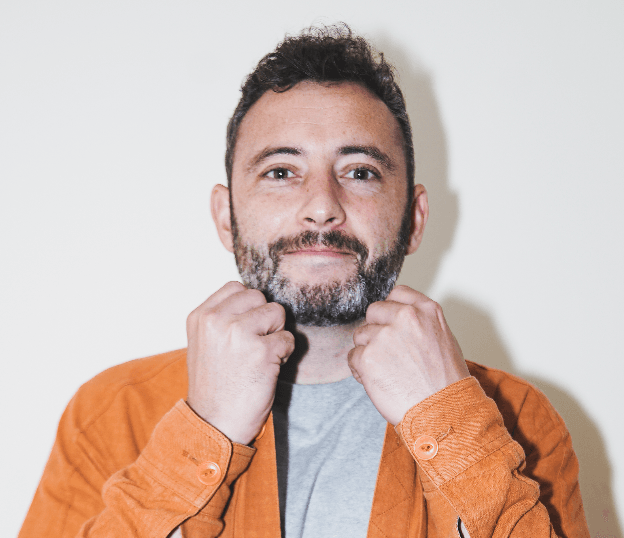
Mental health conversations are gaining popularity in Vietnam. In this episode of "You Don’t Know Vietnam" with mental health expert Keira Ngo, we explore Vietnam’s mental health landscape – from the pressures faced by young people to the rising divorce rates among couples.
Whether it’s peer pressure on social media, expectations from parents, unresolved childhood traumas, or the impacts of toxic masculinity, young people and families in Vietnam face a variety of mental health challenges.
What Pressures Do Young People in Vietnam Face?
Pressures faced by young people in Vietnam vary across the country, from urban centres and rural areas in the mountainous north to central regions by the coast, or the economic powerhouse of Ho Chi Minh City (Saigon).
“In big cities like Hanoi or Saigon, we face immense pressure to become better people, better employees, because all our friends are working at one of the big four companies, travelling abroad, making a lot of money, buying houses, buying cars. That is also the dream of our parents,” says Keira.
“Inside of us, there's always a struggle of ‘who do I want to become?’ ‘What do I want to achieve in life that satisfies both me and my parents?’
“In smaller cities like Hue or Nha Trang, young people face a different dilemma,” she says.
“They want to become more proactive, they want to do something bigger than their parents. But their parents tell them they have all the natural resources to sustain their lives, they do not need to worry about hunger because they always have fish and the ocean... So why care so much about making money or creating values? The young people here feel suppressed or not supported by their parents.”
According to Keira – who is about to embark on a journey to New York on a Fulbright Scholarship from the U.S. Embassy to study a Master's Degree in Psychotherapy for Couples and Families – almost 74% of young people in Vietnam have experienced at least one adverse childhood experience.
“I’ve realised that psychotherapy alone is not going to solve all the problems because we live in such a tight-knit community,” she says.
“After having a personal psychotherapy session, we're still going back to our family anyway. We're still going to interact with our partners…
“The divorce rate in Hanoi nowadays is 60% and half of the marriages will break down during the first two to five years.”

I think that’s the real void here in modern Vietnamese society.
Keira Ngo
Mental health expert
Keira says that Vietnamese men are stressed by societal standards linked to the influence of Confucianism. They are burdened with a lot of responsibility regarding what it means to be a man, and they can’t talk about their struggles.
“Although men are supposed to be the pillar of the family, they are also spoiled by their moms because sons are so valuable.
“So a lot of females come into a marriage with a man who doesn't know how to do anything and they [women] have to toughen up to manage their family and their life, take care of their kids, handle financial matters, cook daily, and do house chores all by themselves.
“I think that’s the real void here in modern Vietnamese society,” says Keira.
The emotional struggle of the younger generation in Vietnam
According to Keira, there is a sense among younger people in Vietnam that – compared to the generations before them who sacrificed so much – they are not entitled to feel the way they do.
“We feel guilty, we feel angry, we feel dissatisfied with our sadness,” she says.
“And it is piling up the struggles that we have already had… Instead of just dealing with one initial emotion, now we have all emotions to attend to, and we don't have the time because we are busy chasing deadlines or following other people on Instagram.
"It’s extremely difficult for us to find a space to take care of our mental well-being.”