
At first glance, Vietnam looks like a marketer’s dream.
More than 102 million people, one national language, one of Southeast Asia’s fastest-growing economies [1].
It’s easy to assume that one campaign can speak to everyone.
But spend any meaningful amount of time in Vietnam and you’ll quickly realise it’s not that simple.
Behind one national identity sit three distinct regional cultures: North, Central and South Vietnam.
And within these three major regions lie countless subcultures.

We have common values, but we also have very different beliefs and behaviours in the three areas.”
Huy Nguyen
Group CEO, Pencil Group
So what makes North, Central and South Vietnam unique?
North Vietnam
Vietnam’s story begins in the North.
Home to Hanoi, the country’s capital, the North has long been Vietnam’s political and cultural centre.
The region’s identity has been shaped by centuries of history, traditional village communities and the agricultural rhythms of the Red River Delta [2].
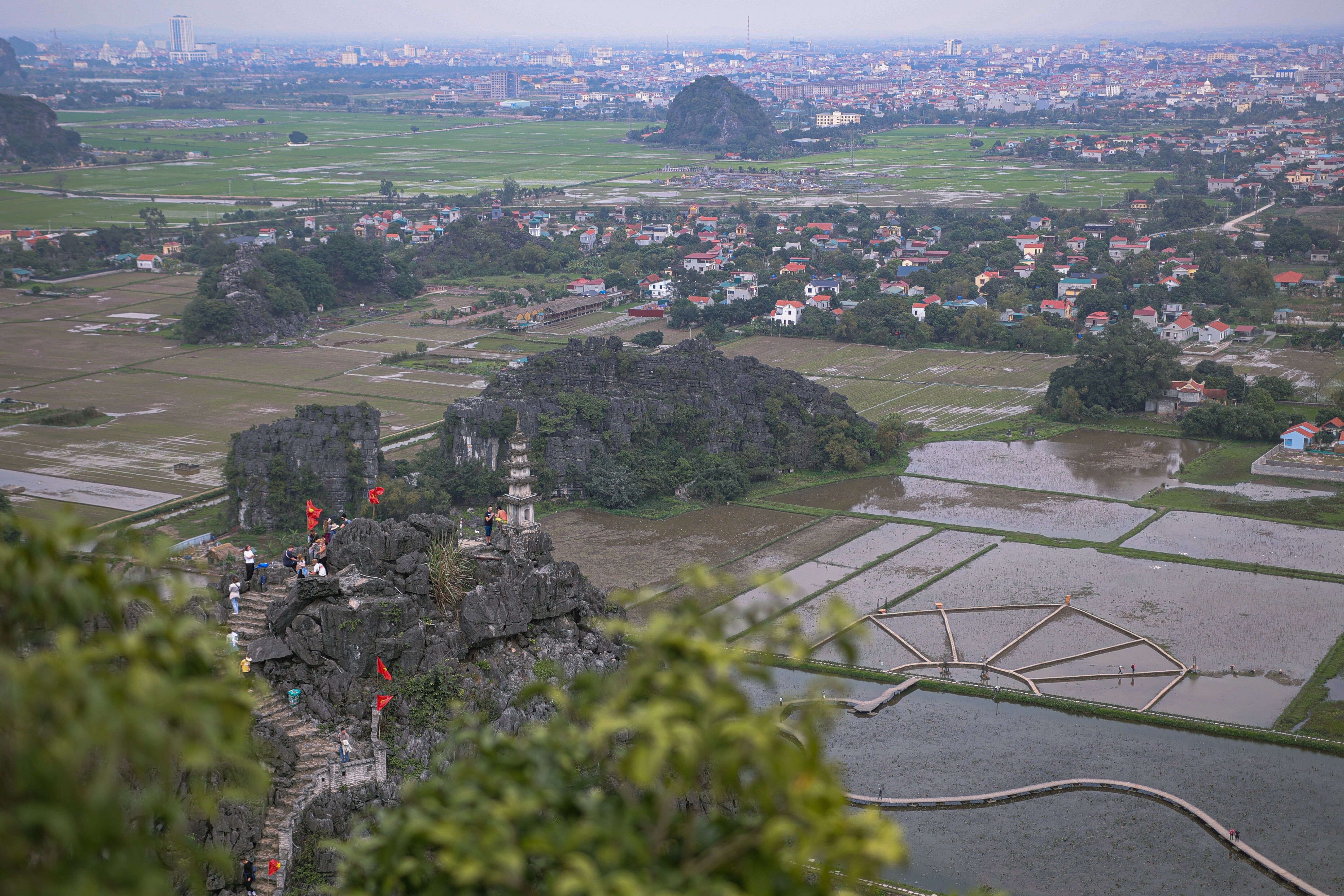
Hang Mua Peak, where the most breathtaking panoramic views of Ninh Binh can be seen
For many international audiences, understanding the North starts with understanding its relationship to the past.
History, family and community remain important influences on how people communicate, build relationships and make decisions.
“The origin of the country started here. Village culture was developed here,” says Huy.
These traditions have helped shape a communication style where understanding relationships, respecting hierarchy and being culturally aware are highly valued.
To those unfamiliar with Vietnam, this can sometimes be perceived as being more reserved.
However, photographer Justin Mott believes that first impressions do not always tell the full story.

I don’t think [the north] is colder… You just have to get to know people a little bit more and earn trust.”
Justin Mott
Photographer
That focus on building trust over time can also influence consumer behaviour.
Retail expert Quang Thai explains that many northern consumers take a more considered approach when making purchasing decisions.
“It’s not because they don’t have the money. They were used to accumulating assets,” he says.
Historically, life in northern Vietnam was closely connected to seasonal agriculture. Communities had to plan around changing conditions and periods of uncertainty, helping shape values around saving and investing in the future.
Success in North Vietnam is built over time. Brands that prioritise trust, authenticity and long-term relationships are better positioned to create lasting connections.
Central Vietnam
Often overlooked by international brands, Central Vietnam has a distinct identity all of its own.
Covering more than a third of Vietnam’s coastline, the region is home to Huế, a UNESCO World Heritage Site [3]. As Vietnam’s imperial capital for more than a century, Huế played a defining role in shaping the region's culture.
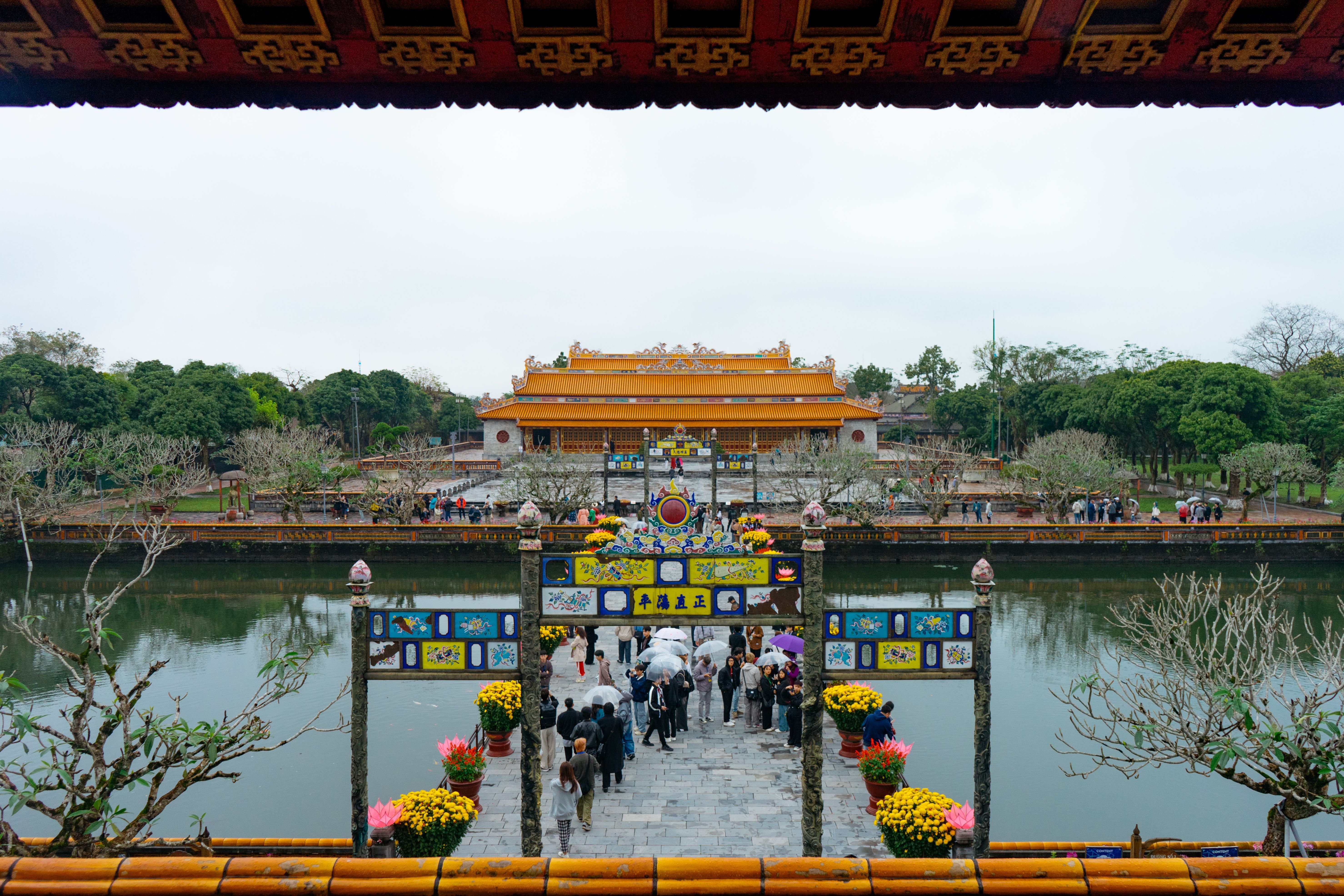
Thai Hoa Palace, Vietnam's first cultural heritage site to meet green building standards
History tells one part of Central Vietnam’s story. Geography tells the other…
Regular typhoons, flooding, and periods of drought have shaped life in the region for generations [4].
Over time, these harsh conditions have helped cultivate a culture built around perseverance, resilience and a strong work ethic.
People in Central Vietnam are very resilient, they are very proud of the area.”
Huy Nguyen
Group CEO, Pencil Group
That pride can be seen across the region, from the preservation of historic landmarks to its distinctive cuisine.
Central Vietnam is home to some of the country’s most iconic dishes, like Bún bò Huế and Mì Quảng. Flavours are bold, spicy, and colourful, reflecting the region's rich cultural heritage and survival [5].
The takeaway for global brands? Treat Central Vietnam as a market in its own right, not simply the space between Hanoi and Ho Chi Minh City.
South Vietnam
For many international businesses, the journey into Vietnam starts in the south.
Home to Ho Chi Minh City, the country’s largest city and economic powerhouse, the South has attracted many different communities from across Vietnam for decades, making it one of the nation’s most dynamic and culturally diverse regions.
As Huy explains, “This city is very open, very dynamic in a way that welcomes all newcomers.”
That positivity and openness in hospitality also extends to consumer behaviour.
According to Quang Thai, shoppers in the South are often more willing to embrace new products and make quicker purchasing decisions than those in the North.

In the South, if you have $10, you spend $10.”
Quang Thai
CEO of DTX Asia
Huy believes that geography is the key driving force between the regions’ spending.
While the North’s seasonal climate encouraged generations to save and plan ahead, the Mekong Delta has historically provided more consistent harvests, helping shape a culture that is more comfortable enjoying the present while still investing in the future [6].
Success in South Vietnam comes from embracing change. Brands that understand the pace of the market and respond with relevant, engaging ideas can build stronger connections.
Sources
[1] Vietnam Government News: Vietnam population statistics
[2] Vietcetera: Exploring Vietnam's linguistic diversity
[3] Vietnam Net: Tourism - driving force for development in central coastal region
[4] Vietnam News: El Nino forecast to intensify through 2026, posing major risks to agriculture
[5] Vn Express: The spice of Hue - origins of bun bo
[6] Vietnam News: A shift in mindset towards sustainable agriculture in the Mekong Delta