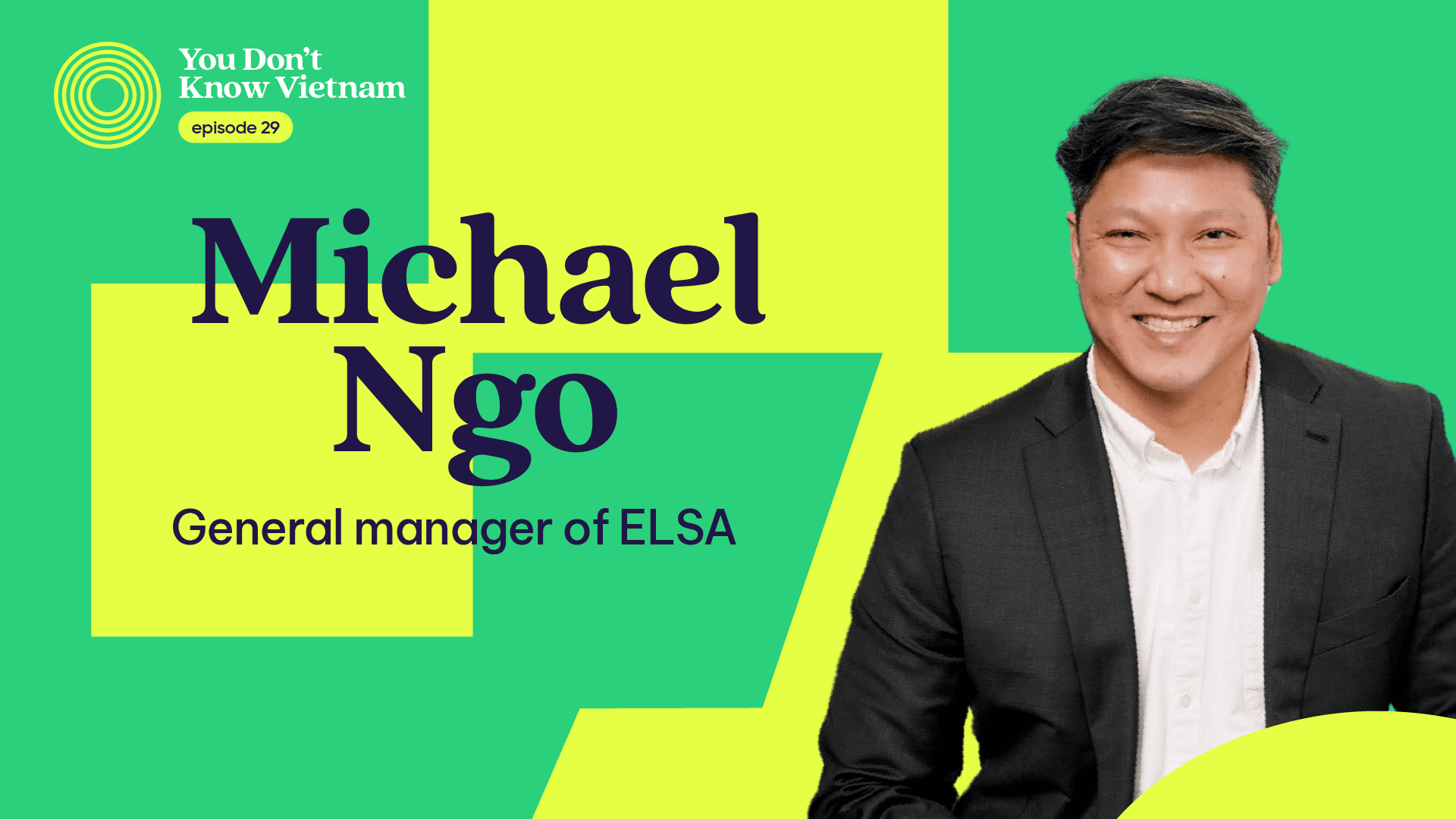
With extensive experience working in the U.S., Vietnam, and Singapore, Elsa Corp’s General Manager for Southeast Asia, Michael Ngo, shares insights into managing teams and doing business in Vietnam, and how this compares to the likes of Singapore.
Managing a young workforce in Vietnam
One of the key challenges Michael highlights about coming to Vietnam for business is the need to manage a young workforce. In Vietnam, many team members are in their twenties, which brings both advantages and challenges.
“Everyone is extremely hungry and hardworking,” says Michael. “The downside is, they're young, so you need to allocate a lot of time to train, talk, and provide guidance.”
Michael emphasises the importance of creating a structured environment with a touch of flexibility to maintain motivation and productivity. He says that regular feedback and communication are crucial, especially when working with Gen Z employees. Gen Z values frequent reviews and rewards, requiring a system that balances immediate feedback with sustainable long-term goals.
“It’s important to build trust and patience among young employees,” he says.
Differences in Management Styles and Work Cultures
The primary distinction between management styles and work cultures in Vietnam and Singapore lies in their approach to risk-taking and decision-making.
In Vietnam, employees tend to be more receptive to taking risks and display a robust can-do attitude. This attitude fosters rapid progress but requires vigilant management oversight.
Conversely, Singapore's multicultural setting and structured approach typically result in a more cautious approach to decision-making.
Building trust is more crucial in Vietnam, because information can be hard to verify. While Vietnam offers numerous opportunities, it is essential to maintain a clear focus and avoid getting caught up in non-productive ventures.
This balanced approach can help businesses thrive in dynamic environments while managing risks effectively.
Looking ahead
Peering into the future, Michael expresses optimism regarding Vietnam’s prospects. He anticipates a transformation where Vietnam transcends its war-torn past to emerge as a prominent player in Southeast Asia.
“If you come to Vietnam and think you're going to make a quick buck, you're going to walk away broke,” says Michael, underscoring the need for foreign businesses to adapt to local culture, avoid taking tempting shortcuts, and instead spend time building genuine relationships with the right people.