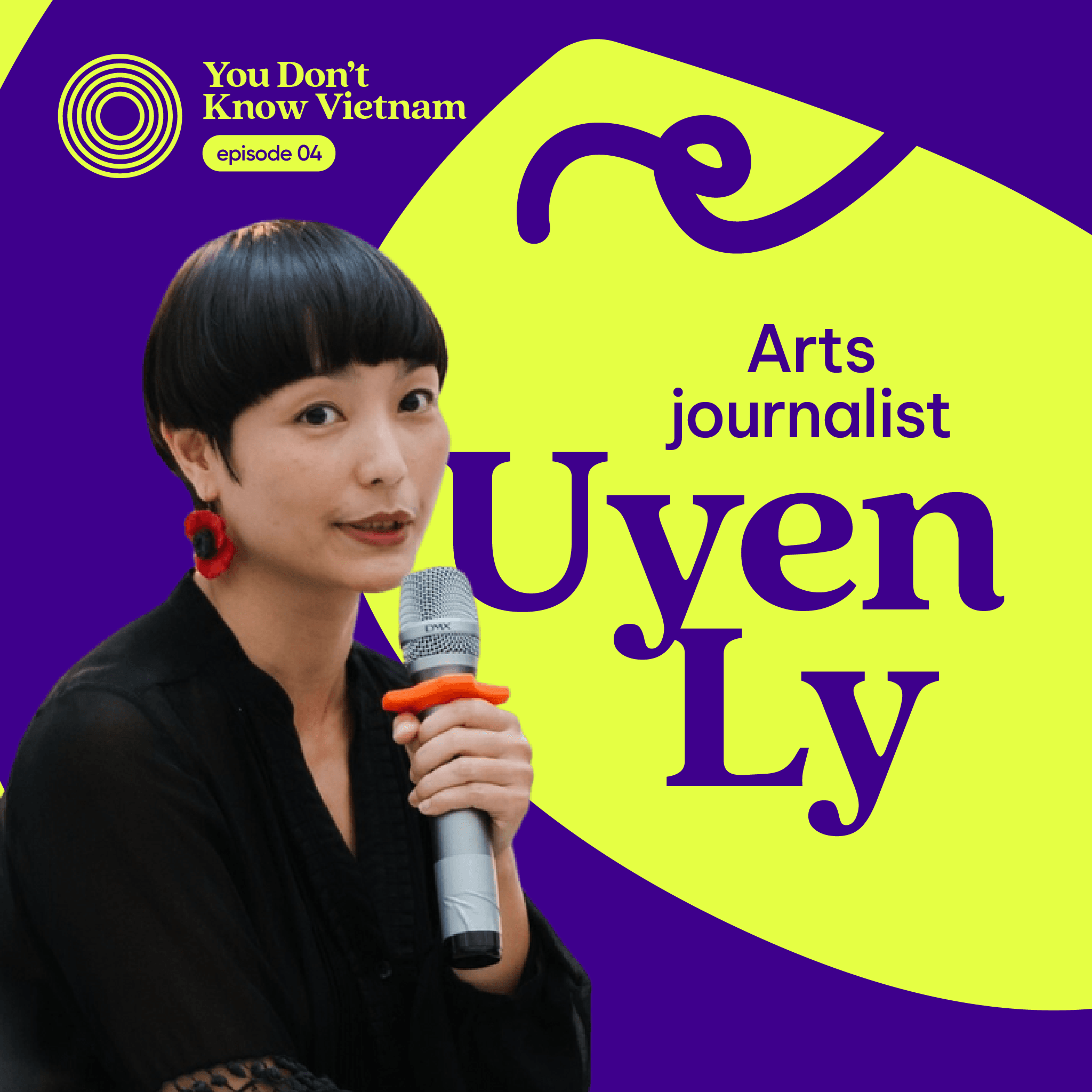
Arts and culture journalist Uyen Ly speaks to Ian Paynton about Vietnam’s appreciation of creativity and what this means for Vietnam’s artists and brands.
“The Vietnamese government now cares more about the creative industry and how it can boost the economy,” says Uyen Ly, a journalist with 20 years of experience writing about arts and culture in Vietnam, during a conversation on the You Don’t Know Vietnam podcast.
“It is a nice thing to see. Vietnam has not been familiar with the knowledge economy. It was always a big factory for the world’s biggest brands… it focused on manufacturing and production,” says Ly.
“Historically and politically, arts and culture were seen as a tool of propaganda when Vietnam had to romanticise the wars and its heroes. But the country doesn’t need to do that now and it’s shifting to look at the creative industries to fuel growth.”
According to government plans, the 100,000,000-strong country will shoot for annual GDP growth of 7% leading up to 2030 when GDP per capita will reach $7,500, making it an upper-middle income country. By 2050, GDP per capita in Vietnam will shoot up to $27,000-32,000, making it a developed, high-income country.
As a journalist and the managing editor of Hanoi Grapevine, Ly is excited about Vietnam’s focus on the creative industries as a way to fuel growth.
She says it’s been brewing for some years – ever since Hanoi was named a Creative City by UNESCO in 2004 – but is really picking up momentum now with high level government officials paying attention to the potential of Vietnam’s creative industries. Vietnam’s leaders are currently discussing ways to make it easier for artists to exhibit their work without needing to go through the arduous process of pre-censorship checks.
I’m very keen to observe how Vietnam will prepare itself with the capacities, skills, and knowledge to really move in this direction.
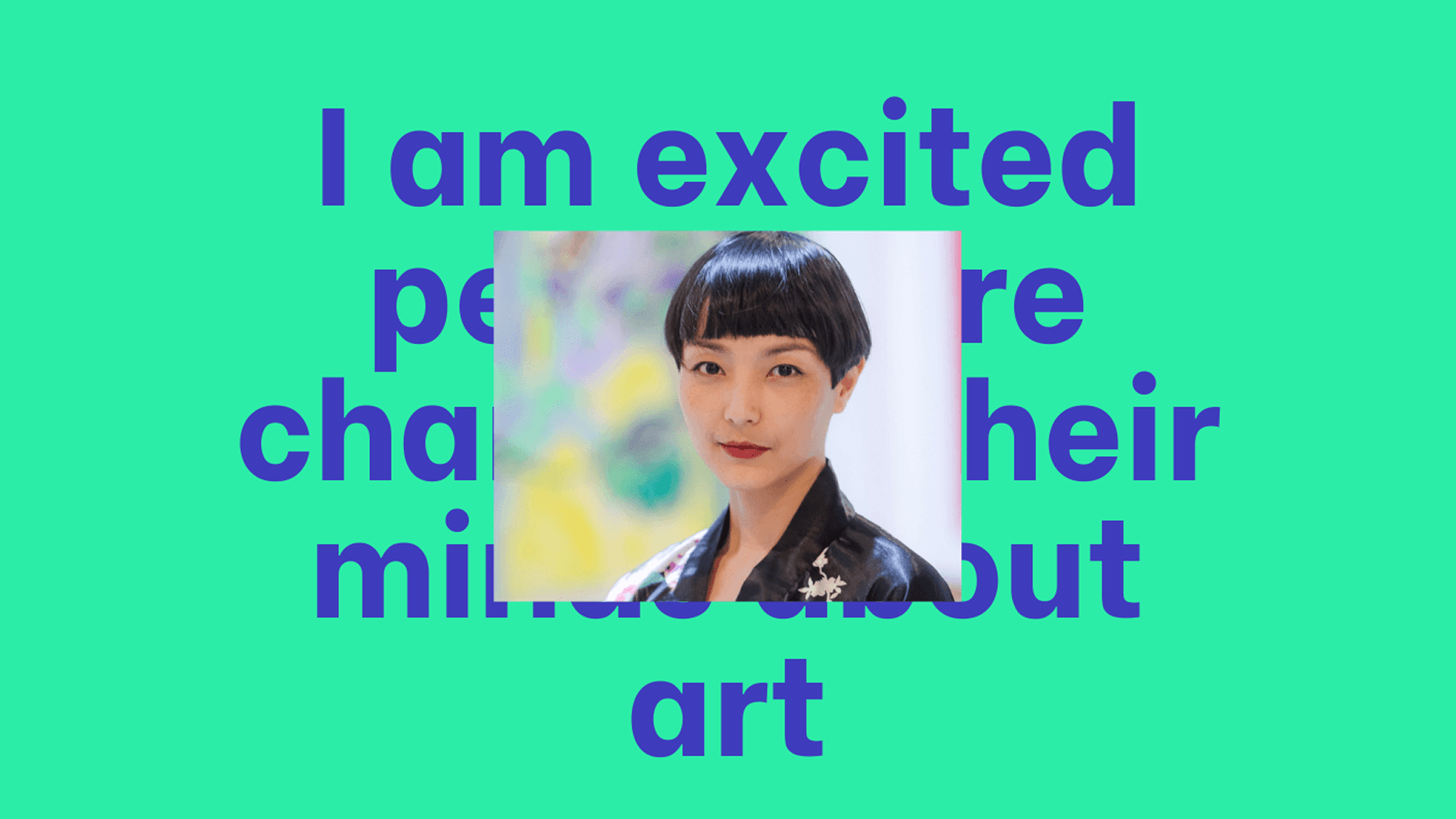
"I am also excited that people are changing their minds about art and seeing it and valuing it in a different way,” says Ly.
But it won’t come without challenges, particularly for Vietnamese artists.
“I think the opportunities are quite big but also challenging,” says Ly.
“Artists will have to understand the boundaries of working with governments and the old way of thinking, and the companies, who see arts and culture as a new investment opportunity.
"But it takes time for them to understand art. This is a new stage of development and everybody has to learn, challenge themselves, and open up their own boundaries.”
The focus on Vietnam’s creative industries is coming at a time when the country’s artists, art forms and art spaces are changing.
According to Ly, there is a strong wave of Vietnamese artists creating compelling, multimedia art and keen to explore the commercial market. More so than the political artists who came before, who were creating art in more turbulent times and kept themselves somewhat ‘isolated’.
Ly says there is now also a growing market of wealthy private art collectors and many unique art spaces are being opened throughout the country.
What new art spaces are there in Vietnam?
1. The Outpost Art Organisation
– a new contemporary art showroom in Hanoi, which defines itself as a quality private museum.
2. Nguyen Ngoc Phuong’s Soc Son Studio
– an open exhibition space for him and other artists to showcase their work in Soc Son, about 25km from Hanoi.
3. The International Centre for Interdisciplinary Science and Education in Quy Nhon
– a beautiful building by the coast that’s giving artists the space to exhibit their work that sits at the intersection between art and science.
4. The Vincom Centre for Contemporary Arts
– a sign of the times that more corporations in Vietnam are paying attention to arts and culture, this exhibition space is in the basement of a Vincom mall at Times City in Hanoi.
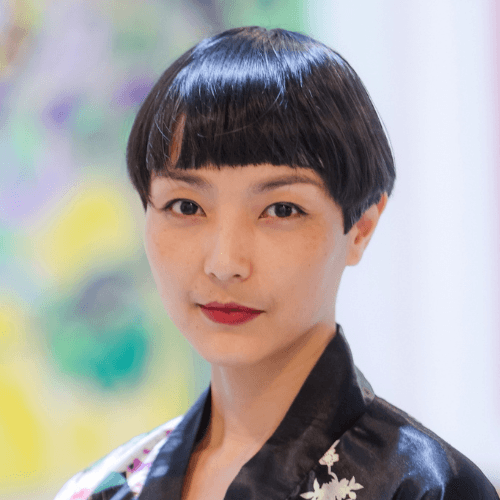
If Vietnam is going in this direction, I am very happy to be an active agent in this movement.
Uyen Ly
Arts and Culture Journalist
“Many artists are successful at carrying Vietnam’s traditions and presenting them in a new, more global way,” says Ly, in reference to artists such as The Son and Tran Hau Yen The, who are experienced artists working with young students and encouraging them to create new forms.
Ly also references creative director Nguyen Quoc Hoang Anh, the founder of arts and culture agency Len Ngan.
Among other work, Hoang Anh takes Vietnamese traditional theatre and music such as Tuong and Cheo and mixes them with electronic music and contemporary dance in interesting spaces across the city.
“The arts make people more humanising,” says Ly. “I think it's always very important to remember that the arts are not all about profits.
“If Vietnam is going in this direction, I am very happy to be an active agent in this movement.”