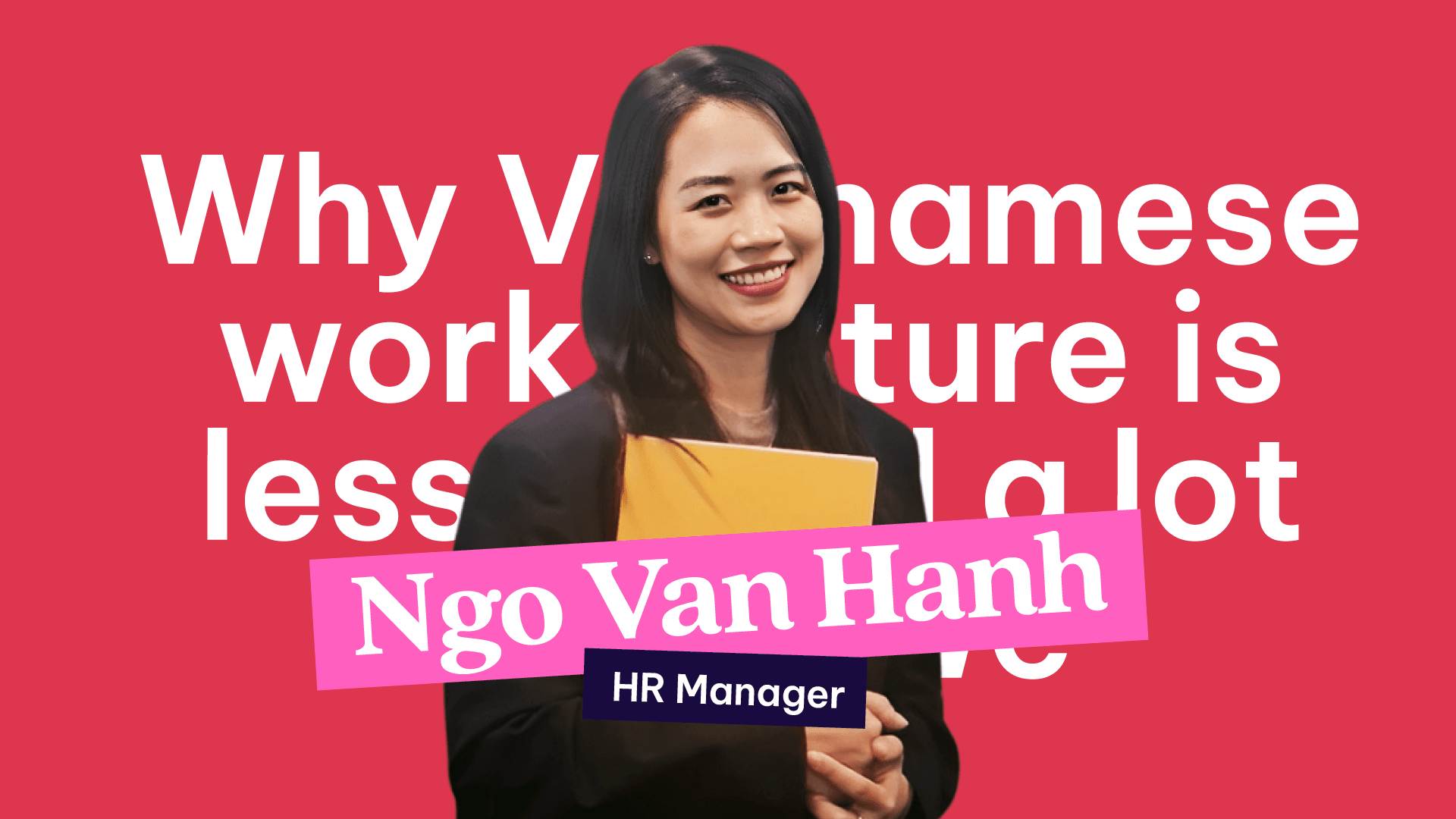
Why is lunch in Vietnam more important than a boardroom meeting?
Why do meetings end in silence?
And why will Gen Z walk out on a bad boss without a second thought?
In today’s episode of You Don’t Know Vietnam, we sit down with Hanh Ngo, an HR veteran with 15 years in Vietnam’s hospitality industry to unravel the unwritten rules of the workplace.
Get them right, and you’ll thrive.
Get them wrong, and you might find yourself eating alone.
Key takeaways:
- Lunch is more than a meal - It’s where business happens
- Gen Z won’t tolerate bad bosses
- Silence in meetings doesn’t mean agreement
- Tips on how to retain talented employees
Hanh knows this better than anyone.
As head of recruitment and retention for Intercontinental Hotel Group across Vietnam, Southeast Asia, and Korea, she’s seen what makes employees stay - and what makes them walk.
In Vietnam, work isn’t just work; it’s personal.
Colleagues aren’t just desk-sharers; they’re lunch mates, confidants, and occasionally, life advisors.
A good boss doesn’t just sign paychecks; they listen, guide, and sometimes even help fix a flat tyre.
Get this wrong, and don’t be surprised when your best talent vanishes overnight.
Gen Z has no time for bad bosses
The days of unquestioned authority are gone.
Vietnam’s young workforce demands respect, fairness, and a clear purpose.
One outburst, one unfair decision, and they’re out.
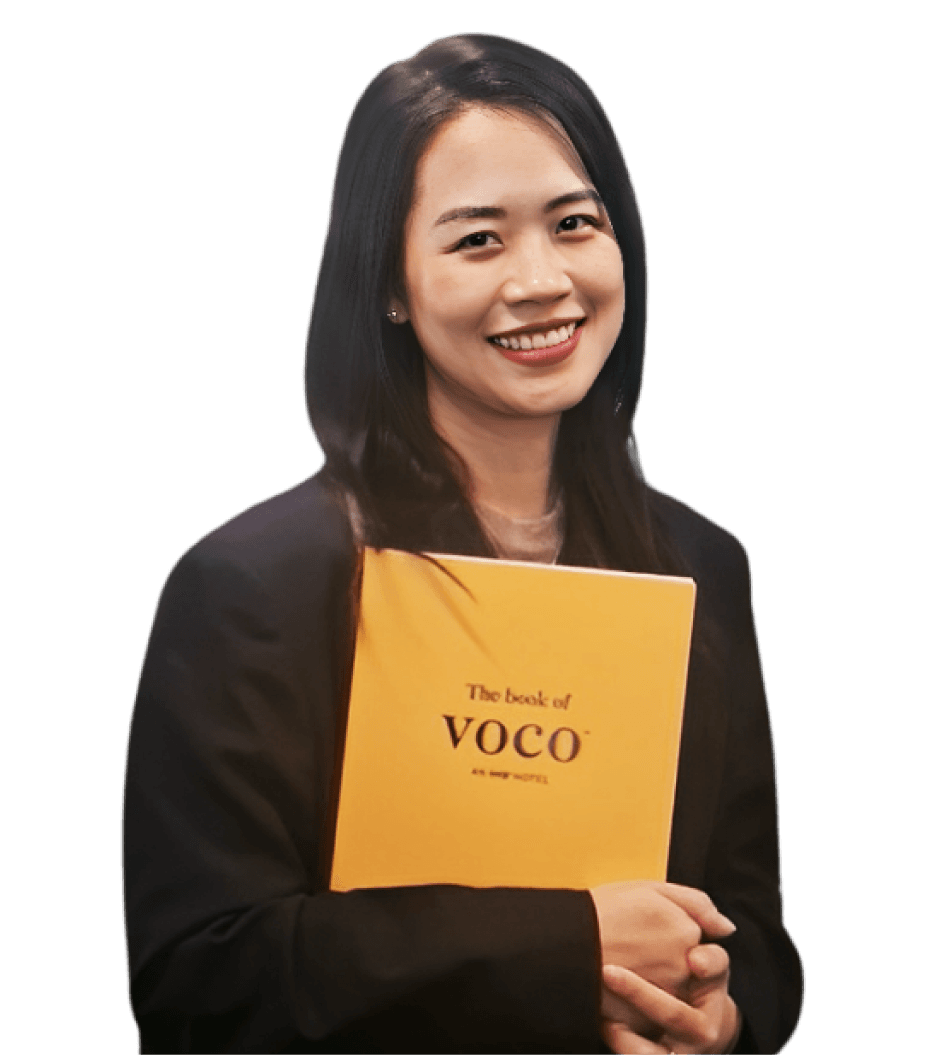
If you do that to them once, they leave. Gen Z don’t care about salary, career. They care about their own human being, the dignity.
Ngo Van Hanh
HR Manager
Employers, take note: lead with respect or prepare for an empty office.
The Lunch Hour (sacred and mandatory)
Forget the quick sandwich at your desk.
In Vietnam, lunch isn’t a meal - it’s a mandatory teambuilding exercise with more layers than a bánh chưng.
It’s the glue of the workplace—where friendships solidify and business gets done.
It’s important to eat lunch together. And do things after work together. Not all the time, but occasionally
Ngo Van Hanh
HR Manager
Also, lunch in Vietnam is quite different.
Boardroom meetings are for formalities; the real deals are sealed over noodles.
Trust precedes contracts, and a meal can be the most important business expense.
“A lot of deals are made and agreed during lunchtime," recalls Hanh Ngo, HR Manager of IGH Hotels & Resorts .
Refuse a business lunch at your own risk.
The silent meeting problem
Expecting lively debate?
Think again.
In Vietnam, asking questions was historically a sign of weakness.
That instinct lingers, creating silent rooms where misunderstandings quietly breed.
“Vietnamese people like to learn. But they don’t like to ask questions.”, she says..
Misunderstandings often breed in these quiet spaces, where a nod doesn’t always mean agreement.
Smart managers find creative ways to extract feedback—anonymous surveys, informal chats, or simply asking twice.
Vietnamese people like to learn. But they don’t like to ask questions. Misunderstandings often breed in these quiet spaces, where a nod doesn’t always mean agreement.
Ngo Van Hanh
HR Manager
How can foreign companies can adapt to Vietnamese work culture
For foreign businesses looking to succeed in Vietnam, understanding and respecting workplace customs is essential. Hanh advices:
- Win employees’ trust by fostering strong personal connections
- Provide a clear career path to retain young talent
- Understand labour laws and employee benefits, such as the Tet bonus, which holds cultural significance.
- Invest in relationship-building through team activities and shared meals.
Succeeding in Vietnam isn’t about enforcing rigid corporate rules—it’s about adapting to a culture that values relationships, trust, and, most importantly, lunch.
If you don’t understand this, your business might survive—but it won’t thrive.