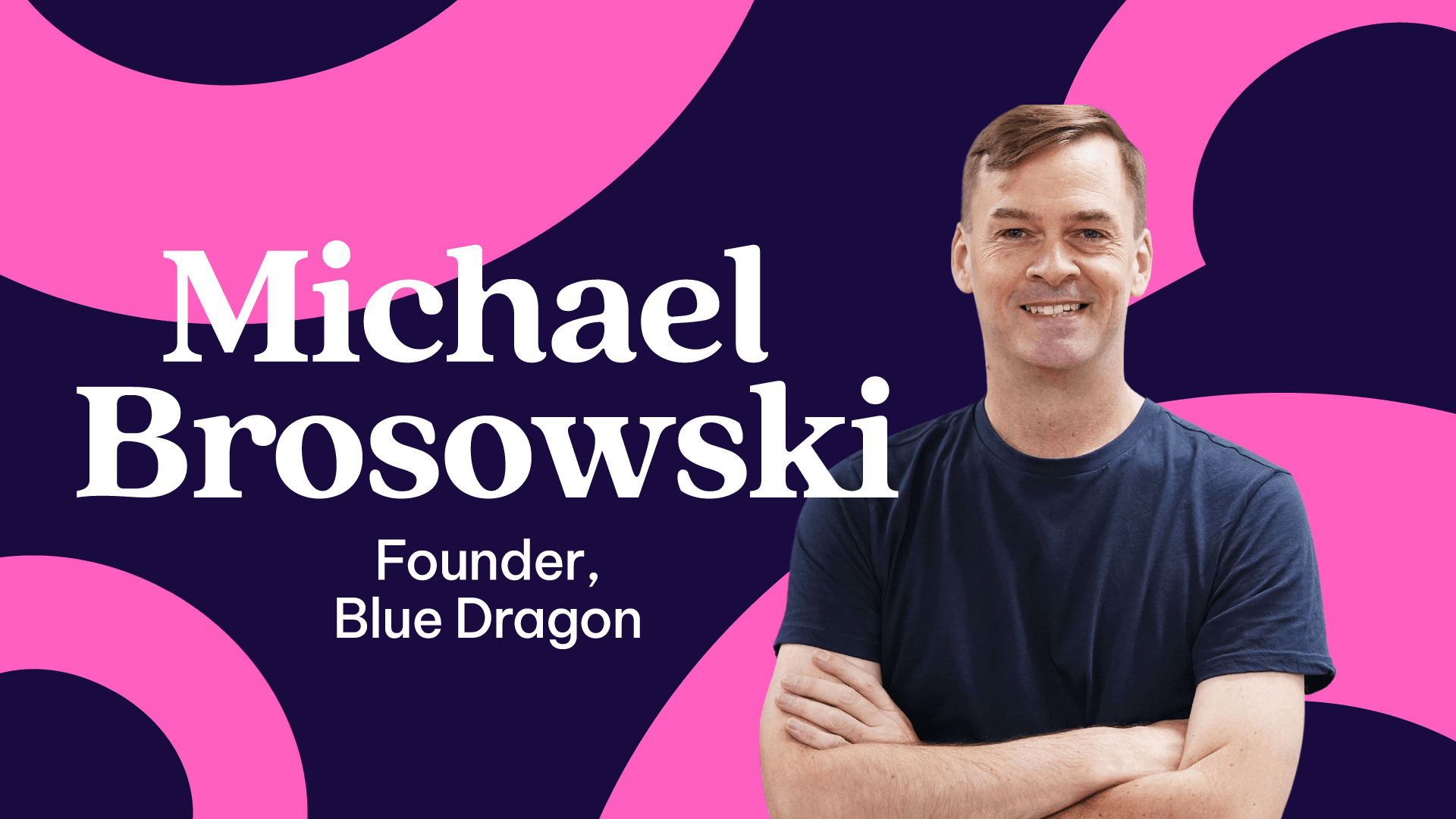
In this episode of You Don’t Know Vietnam, Michael Brosowski, Founder and Strategic Director of Blue Dragon Children’s Foundation, shares his mission to end human trafficking in Vietnam and offers practical steps your business can take to contribute.
Main takeaways:
- The hidden downsides of rapid economic growth in Vietnam
- The current state of human trafficking and vulnerable groups
- How Blue Dragon is making a difference
- Five crucial tips for businesses entering Vietnam to avoid worker exploitation
Vietnam’s rapid economic growth in GDP over recent decades has transformed the nation, lifting millions out of poverty and putting it on the global stage.
According to Statista, projected GDP growth rates for the coming years remain positive, indicating the country's continued economic resilience and potential for further development.
However, such swift development comes with its own challenges. It can create gaps in opportunity, leaving some people more vulnerable to human trafficking and exploitation.
Victims often face sexual exploitation, forced labor, and coerced marriages. Children, in particular, are subjected to dangerous working conditions, long hours, and little to no pay, severely impacting their health, education, and future.
According to the U.S. Department of State’s 2023 Trafficking in Persons Report, Vietnam serves as both a source and transit country for human trafficking.
“Economic development often widens the gap between those who have and those who don’t,” says Michael Brosowski, Founder and Strategic Director of Blue Dragon Children’s Foundation, highlighting how people seeking better lives in urban areas can fall prey to traffickers.
“When people are left behind, they search for opportunities—and that’s when traffickers step in,” Michael explains. “They offer the promise of a job, a better life, and say ‘come with me, everything will be great.’”
“Those who become victims of trafficking, or end up homeless on the streets, are doing what any of us would advise—move where the opportunities are if things are tough at home,” he adds.

When people are left behind, they search for opportunities - and that’s when traffickers step in.
Michael Brosowski
Founder of Blue Dragon Children’s Foundation
For 22 years, Michael and Blue Dragon have been committed to ending human trafficking in Vietnam.
Their achievements include:
- Rescuing 1,654 people from trafficking
- Representing 298 people in court cases
- Sending 6,410 children back to school or training
- Providing shelter for 1,829 children
- Placing 469 teenagers in jobs
- Building 270 homes for families
- Securing legal papers for 13,544 people
“I’m passionate about the idea of ending human trafficking. And what excites me most is that it’s a real possibility here in Vietnam,” Michael says. “In some countries, human trafficking is tolerated or even profited from, but here, no one wants to remain in poverty or hardship—and that opens the door to change.”
We believe it’s possible to reduce human trafficking from a widespread issue to a rare occurrence - where the authorities, communities, and government can respond swiftly and effectively when it does happen.
Michael Brosowski
Founder of Blue Dragon Children’s Foundation
Five ways your business can help in Vietnam
Michael urges businesses entering Vietnam to take proactive steps to avoid exploiting workers, particularly migrant and vulnerable groups. It’s not just about offering jobs—it’s about offering good jobs.
Here are five essential steps companies should take when doing business in Vietnam:
- Direct recruitment: Avoid middlemen to prevent exploitation. Work with local authorities and communities to recruit directly from source areas.
- Transparent employment practices: Ensure all terms, including wages, benefits, and working hours, are clear and legal. Contracts should be fair and transparent.
- Safeguards during economic downturns: Have plans in place to support workers during tough times, such as offering temporary accommodation, severance pay, or job placement assistance.
- Prioritise employee well-being: Provide fair wages, good working conditions, and respect local labour laws.
- Community engagement: Get involved in Corporate Social Responsibility (CSR) initiatives that benefit the communities where you operate. Engaging your employees in these activities fosters a sense of belonging and responsibility.
By following these principles, businesses can contribute to a more ethical and sustainable business environment in Vietnam, while building strong relationships with local communities and workers.
To support Vietnamese children in crisis, consider donating to the Blue Dragon Children’s Foundation.